
Helpful Information about Miniature Horses |

Measuring Miniatures - Measure from the middle of the front knee to the coronet band (top) of the hoof. Multiply times 4 and add 1". Best done after 3 months of age. Birth height plus 10 - 12". Example: 20" at birth, plus 10" = 30" (or plus 12" = 32"). Back leg, top of hock to ground x 2 + 2". Example: 16" x 2 = 32" + 2" = 34" Another Measure Method
|
Veterinary Corner 10/98 Providing veterinary care for miniature horses is an exciting and challenging addition to equine medicine. Two health issues that are of great importance to miniature horse owners are dental care and reproductive care. Dental pathology is very common in miniature horses as are reproductive problems. In order to lessen any confusion about these topics and give mini horse owners easy to follow guidelines, we have adapted an excerpt from Dr. Katherine Burnett's Miniature Horse Care- A Veterinary Guide. Keep in mind that these are only guidelines. If you are experiencing a situation that is not clearly defined in the following article, please do not hesitate to call your veterinarian for further assistance. DENTISTRY At birth: The veterinarian should check the incisors for proper bite alignment, noting any over- or underbites. 0-12 Months: The farm manager should check the bite (incisor alignment) monthly. Any overbite or underbite that is off by more than 1/4 tooth should be examined by a veterinarian if it does not resolve on its own within two months. If the bite is persistently abnormal, then the veterinarian may need to gently file off any uneven surfaces on the incisors and molars. This procedure is most effective if performed by ten months of age. Smoothing the teeth allows the jaws to slide more freely and will often allow the bite to correct. 2-3.5 Years: At this age, deciduous (baby) incisors and molars are erupting and shedding from the mouth as the permanent teeth erupt and push them out. Deciduous molars are called "caps" when their roots dissolve and they are about to shed. Sometimes they are retained, that is, they remain adhered to the permanent tooth after the permanent tooth has started to erupt through the gum. Facial swelling below the eyes, as well as localized sinus infections and blocked tear ducts (runny eyes) can result. Removing caps is a simple procedure that helps relieve symptoms and restores the face to its normal shape. NOTE: A persistent single bump below the eye should be examined. It may be a deformed tooth or tooth root. Adults: Any mini that is dropping grain, spitting out balls of hay, retaining feed in its cheeks, eating slowly, or not maintaining its weight should have a thorough dental examination. Equine dentistry has progressed tremendously in recent years, and many dental problems that were once incurable can now be corrected. All miniatures, even those without apparent problems, should have an annual dental examination. Neglected dental problems can lead to tooth decay, tooth loss, chronic weight loss and severe discomfort for the animal. REPRODUCTION Miniature mares have a much higher rate of pregnancy loss than other breeds. For this reason, it is imperative that pregnant mares receive excellent care for the duration of their pregnancies. 4-6 weeks after last day of breeding: Your veterinarian should palpate* or ultrasound the mare to confirm pregnancy. If pregnancy is confirmed, start the mare on 1/2lb. of a grain mix formulated specifically for pregnancy. Continue your routine deworming program using pyrantel and/or ivermectin. Avoid moxidectin (Quest). 5 months: It is necessary to have your veterinarian palpate* or ultrasound your mare again to confirm pregnancy because early pregnancy loss is so common in miniature horses. Vaccinate for rhinopneumonitis. 7 months: Vaccinate for rhinopneumonitis. 9-1/2 months: Vaccinate for rhinopneumonitis, influenza, tetanus, encephalomyelitis, and rabies. Ask your veterinarian to give you a list of supplies you will need for the foaling. Start stalling the mare at night and when unattended for long periods during the day. *There is no evidence that palpation or ultrasound causes abortion in the miniature mare. The examination in conducted in the rectum; the uterus and cervix are not manipulated during the procedure. The procedure does not invade the vagina, cervix, or uterus; the veterinarian gently feels the surface of the uterine wall through the rectal wall. It is natural to assume that if an abortion takes place within days or weeks after a palpation that the palpation is to blame. With pregnancy loss rates as high as 31%, this is bound to happen fairly often as a coincidence. Some equine veterinarians will have trouble palpating miniature mares because the minis are so small and the veterinarian's hands are too big. In order to eliminate this problem, we have been using an ultrasound technique developed by a doctor in Virginia. Using a modified balling gun, the ultrasound probe is inserted into the rectum allowing the veterinarian to scan the uterus for pregnancy. We have found this technique to be very accurate and comfortable for the mini mares. We have confirmed numerous pregnancies using this ultrasound technique, a few as early as 18-23 days post breeding. Miniature horses are quickly becoming very popular in our country. As their popularity continues to grow, so will advances in miniature equine veterinary medicine. As with any horse, please consult your veterinarian if you are experiencing problems, or if you just need questions answered. "HYPERLIPEMIA"...QUICK & DEADLY Recent events have prompted me to write this article as an "alert" to all Miniature Horse owners about a very serious condition called "Hyperlipemia". I had never heard of this particular malady until just a few months ago when a couple of my friends had Minis come down with this, and came very close to losing them! I have since read of many, many others on the internet who have had experiences with the same condition...and in most cases, the Minis died! In this day & age of e-mail, world-wide web, surfing the net, etc, etc...we are all much more "connected" to people all over the country (not to mention the world!) One lady who was experiencing Hyperlipemia with her Mini mare wanted to learn more...and requested, on line, that others who had similar experiences to please contact her. She was shocked at the number of responses she received. 36 Minis were affected (27 mares & 9 colts/stallions). 13 lived....23 DIED! |
General Health of Miniatures
|
Click on logo below to read some helpful info on Health Considerations for Miniature Horses.  |
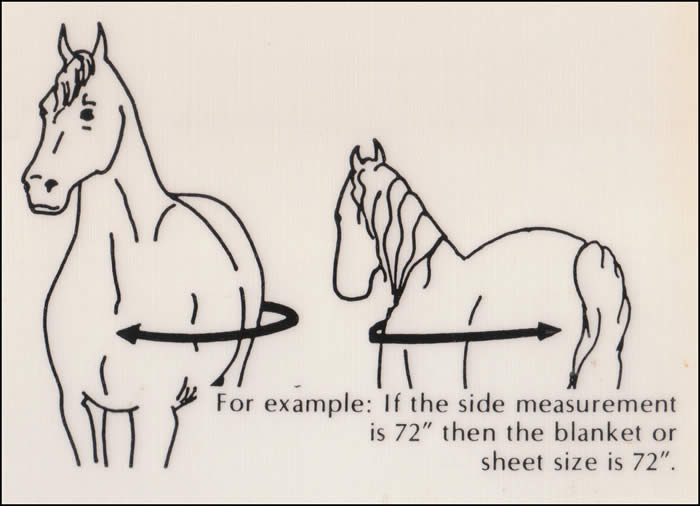
How do I measure my Miniature Horse for a horse blanket?
A horse's blanket measurement is taken from the center of the chest to the edge of the tail. Most full grown Miniatures will measure somewhere between a 34 or 38" (30" or under height) to a 46 or 48" (36 to 38" height Mini)
|
 |
|


CAN YOU RIDE A MINIATURE HORSE?
(click on image at right for one owner's opinion!) Ah, miniature horses –
so cute, so tiny, so perfectly adorable, right?
And, while you know that logically these tiny horses are pretty petite, many of us have often wondered if, despite that smaller stature, it is all right to ride a mini horse.
After all, they are sturdy and come from the relatively same equine stock. So it is only natural to wonder:
Can you ride a mini horse?
|

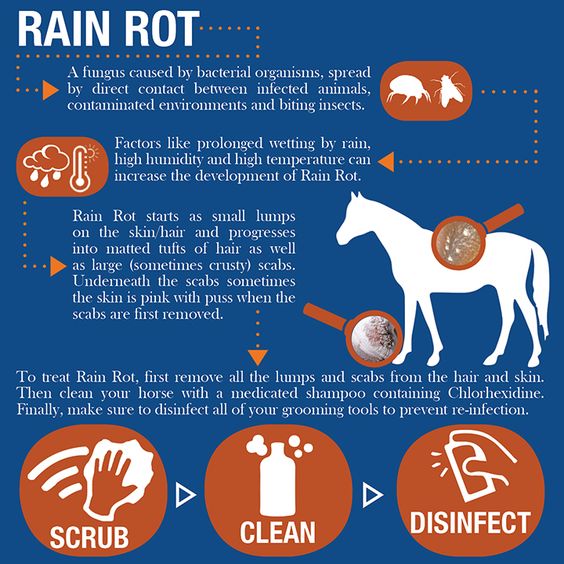
Helpful Info on treating Rain Rot
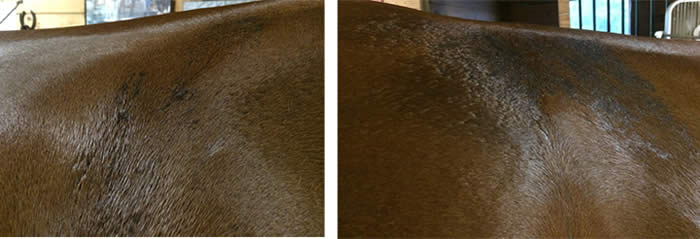
Rain Rot has many different names in the equestrian world including: rain scald, mud fever, scratches and sweet itch. Rain Rot is a fungus caused by dermatophilus congolensis, a bacterial organism whose natural habitat is unknown. Attempts to isolate it from soil have been unsuccessful, although it widely believed to be a saprophyte in the soil. Rain Rot is spread by direct contact between infected animals, through contaminated environments or possibly via biting insects. Factors such as prolonged wetting by rain, high humidity and high temperature can influence the development, prevalence, seasonal incidence, and transmission of Rain Rot. In the early stages of infection, you will feel small lumps on the horse’s skin/hair by running your hand over his coat. As Rain Rot progresses, matted tufts of hair may appear as well as large (sometimes crusty) scabs. There are usually dozens of tiny scabs that have embedded in the horse’s coat and can be scraped off. Underneath the scabs, sometimes the skin is pink with puss when the scabs are first removed, then it becomes gray and dry as it heals. In layman’s terms, we really have no idea how horses get rain rot and it’s a really disgusting problem to have. How to Treat Rain Rot
Step 1 Do not Google or go on the Chronicle Forums for advice. You will be scared silly, see terribly horrific pictures and spend a small fortune at Whole Foods and CVS. Plus, your horse won’t get any better. Trust me, I tried it. Step 2 Pick off all the scabs. Wipe your hand across your horse’s entire body and anytime you feel a small lump, pick it off. If the scabs are tough and a little painful (I found this to be the case most often on Miles’ legs), wipe some baby oil on them and let it sit for a few minutes. The baby oil will soften the scabs and make it less painful to remove them. Step 3 Don’t panic when you remove all the yucky gunk from your horse’s back and realize he’s now bald in large patches. Take a deep breath and evaluate the now exposed skin. Is it grey or pink? Pink = infected, grey = good. Step 4 Skip all the home remedies and go straight to what works: Chlorhexidine. I got a shampoo [Equishield Ck Shampoo] and a spray [PhytoVet CK Antiseptic Spray] from my vet. Both contain 2% chlorhexidine gluconate and 1% ketoconazole. I bathe the infected areas three times a week, and spray once a day; and I promise it’s like magic. I saw immediate improvement after just the first use! Step 5 Contain the infection by not sharing brushes or saddle pads with other horses. Wash your hands thoroughly after grooming before touching other horses, and I would recommend regular sterilization of grooming tools with bleach water. If the infection is anywhere near your saddle or girth area, it wouldn’t be a pad idea to also wash your saddle pads more regularly, and use a washable girth cover as well. Article by:
Hi! I'm Tracy, a full-time marketing and communications professional from Central Ohio. Fly On Over follows my journey as a horse owner and adult amateur trying to find success in the hunter/jumper show ring with my Thoroughbred, Miles.
|

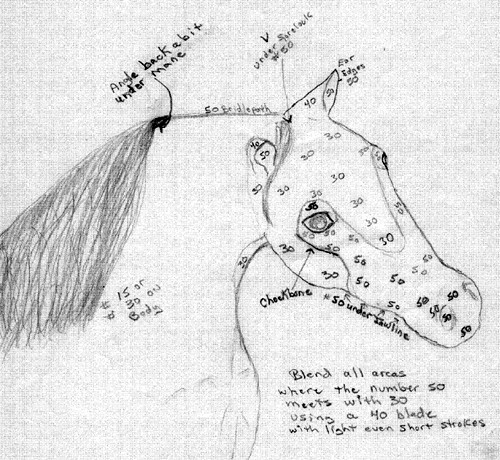
Clipping Hints How to clip a Miniature Horse's head for an A rated horse show: (SHOWING # BLADES TO USE FOR CLIPPING)
|
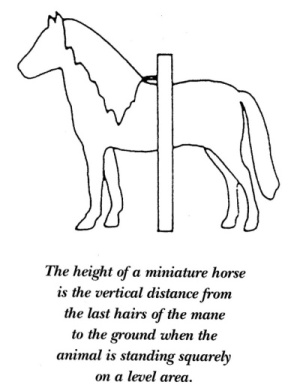
Measuring Miniatures
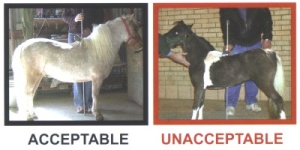
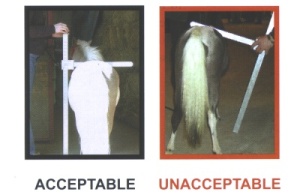
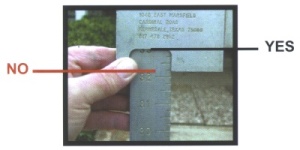
Did you know Miniature Horses are not measured at the wither, but at the last hair of the mane??
A "Short Course" in Measuring How to Measure Your American Miniature Horse Information provided by AMHA.org
|
|
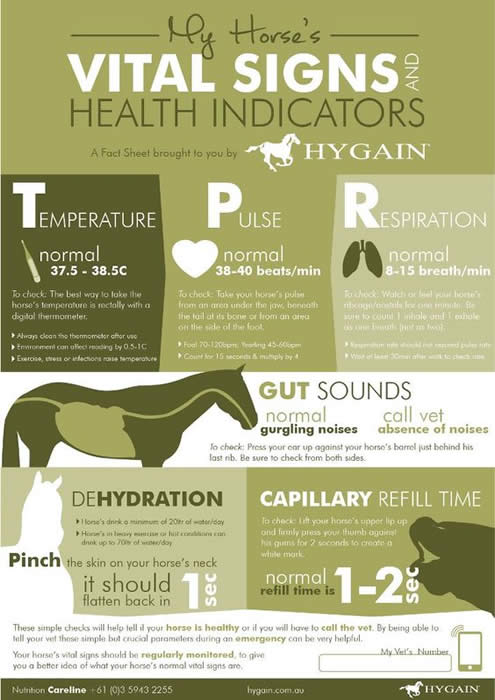
The Importance of a Sound Vaccination Program Vaccination is a term with which every horse owner is familiar. Moreover, many do not realize the importance of a well-planned vaccination program for horses. A vaccination program, designed by a veterinarian, will help ensure the horses in a stable stay healthy and productive. An effective and successful vaccination program against infectious diseases is an essential component and key management tool for any horse operation wishing to institute a preventative medicine program. Horses, just like people, are constantly exposed to bacterial and viral organisms. Many of these can cause mild to debilitating diseases. This risk is especially significant when horses are shipped to tracks, farms, or other stables. The more a horse is away from his home environment and mingled with other horses, the greater the chance of exposure to potential carriers of infectious diseases. This is particularly true of respiratory diseases. Infectious disease control programs, in conjunction with vaccination, are important in maximizing the health, productivity, and performance of a horse. A veterinarian can help design a health program to reduce exposure to infectious disease agents in a horse’s environment to lessen the incidence of illness. Disease control programs should be tailored to individual needs, with consideration given to ages, types, activities, and number of horses in the program. The schedule below is a suggested vaccination schedule provided by the American Association of Equine Practitioners, and is based on generally accepted veterinary practices. Recommended Equine Vaccination Schedule
|
|||||||||||||||||||||||||||||||||||||||||||||||||
HELPFUL HINTS TO PHOTOGRAPH YOUR MINIATURE HORSE By Sandy Revard - MiniEquine Photography
Try hard to capture "expession" from your horse, and capture his personality. Use props (stuffed toy, things that make sounds, etc) to help get "ears" and bright eyes.
|
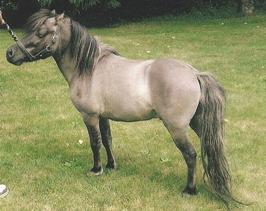
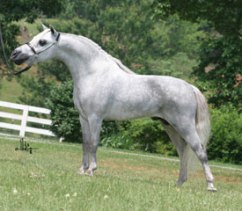
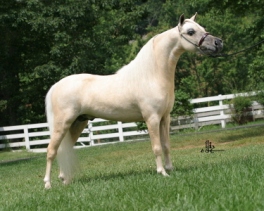
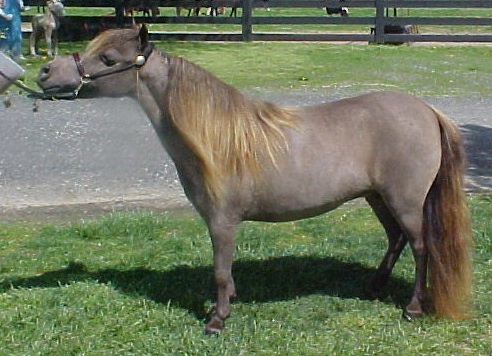
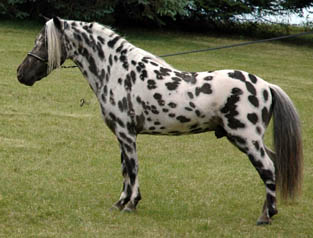
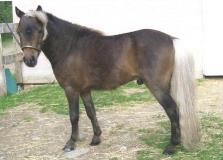
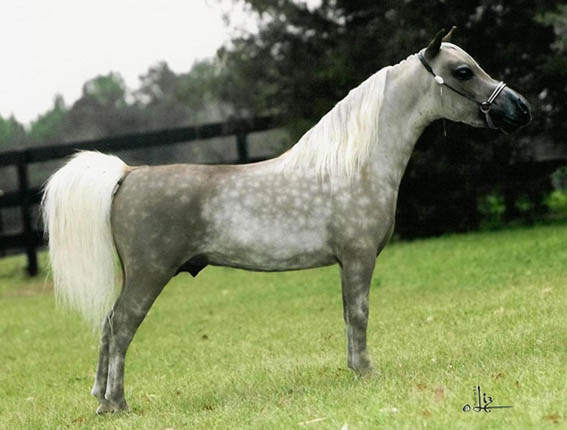
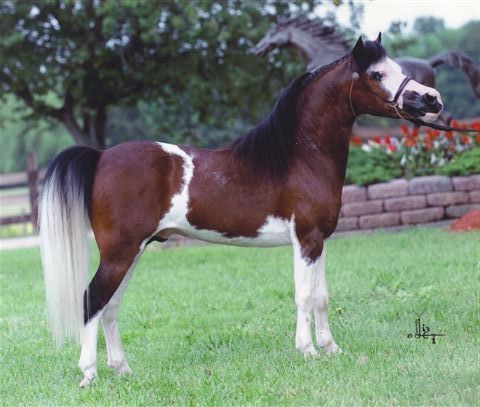
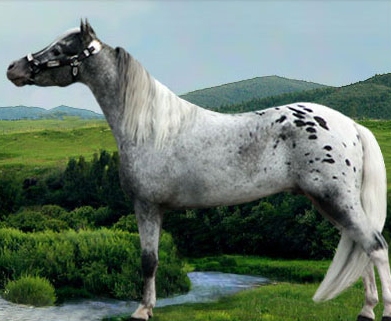
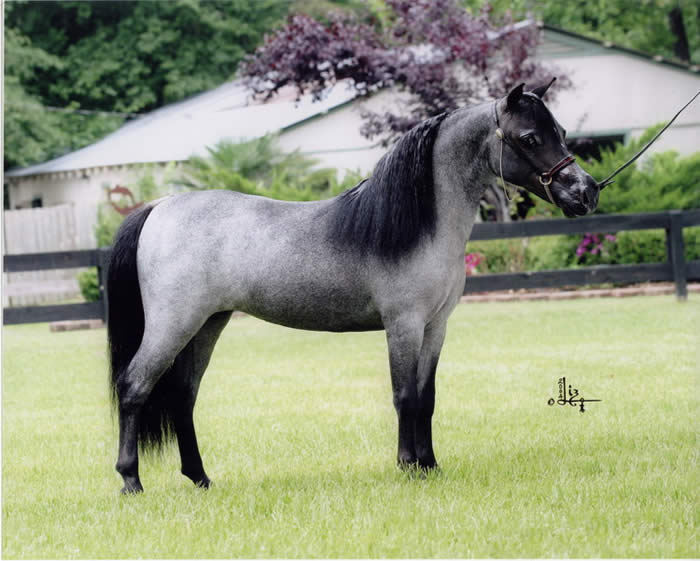
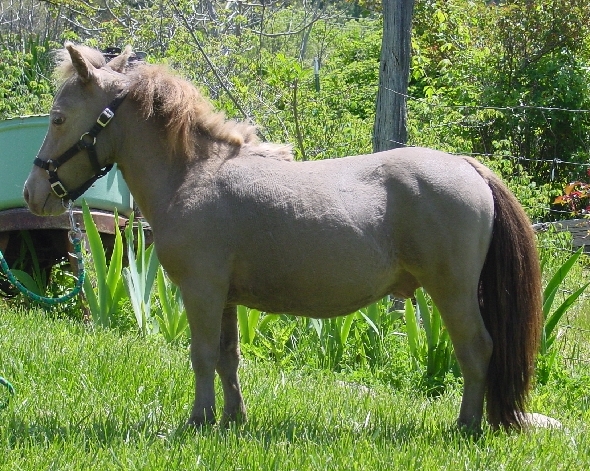
Coat Color ChartCOURTESY OF WWW.AMHA.ORG Solid colored horses are just that - solid colored. They have one body color aside from leg or face markings that will be
|
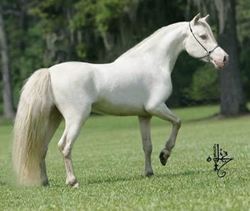
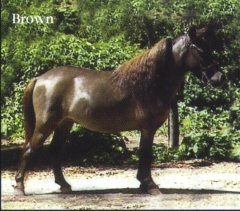
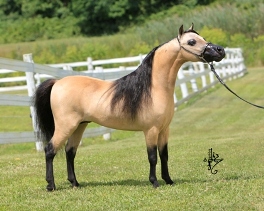
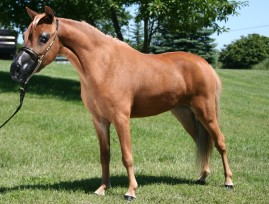
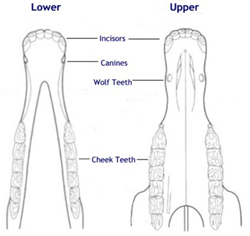
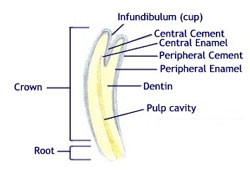
Dental Care
Floating is done to make the surface of the horse's tooth level or smooth. This is accomplished by the removal of sharp points on the outer edge of upper molars and inner edge of lower molars. Performance Dentistry includes a floating, comprehensive oral examination, identification and correction of incisor and molar malocclusions, and tooth shaping. Tooth shaping of certain molars to prevent soft tissue damage, which cause oral pain, is an important part of performance dentistry |
BUTE vs BANAMINE IN MINIATURE HORSES
By "Dr. Pam" - Pam Ripperda D.V.M.
Bute is incredibly toxic to minis, and for some reason a lot of vets out there don't realize this. Not only is there a very narrow safety margin, i.e. you have to be very accurate at dosing them, but there are minis who will have problems even at the correct dose. It should be given at 1mg per pound body weight, which means most minis will get 150 mg to 250 mg--1/4 tablet or less. A lot of vets seem to think the average mini weighs 500 pounds and have owners give 1/2 tablet twice daily. ARGGGG!!! |
|